
Google Ads audit
We review campaign structure, budgets, bidding, ads, search terms, conversion setup and landing-page alignment before recommending major changes.
DigiClick helps small and growing UK businesses structure and manage Google Ads around real search intent, useful landing pages and reliable conversion signals. We connect Search, Shopping and Performance Max with budget control, query quality and measurement so PPC decisions are based on evidence rather than clicks alone.
A useful PPC management programme should make paid search easier to control and improve: account structure, search terms, bidding, budgets, creative, product data, landing pages and conversion measurement all need to support the same commercial goal.
We review campaign structure, budgets, bidding, ads, search terms, conversion setup and landing-page alignment before recommending major changes.
Keywords, match types, negatives, ad groups and responsive search ads are organised around real search intent so budget is less likely to drift into irrelevant queries.
Budgets, bidding strategies and campaign settings are reviewed against the quality and volume of conversion data rather than changed simply because the platform recommends it.
For ecommerce accounts we connect product data, Merchant Center signals, campaign structure and commercial priorities while keeping Shopping-specific work tied to reliable measurement.
Lead, purchase and other meaningful conversion signals are checked early because automated bidding and optimisation can only be as useful as the data feeding them.
Search terms, adverts and landing pages are reviewed together so the promise in the ad continues clearly after the click and performance changes can be interpreted more confidently.
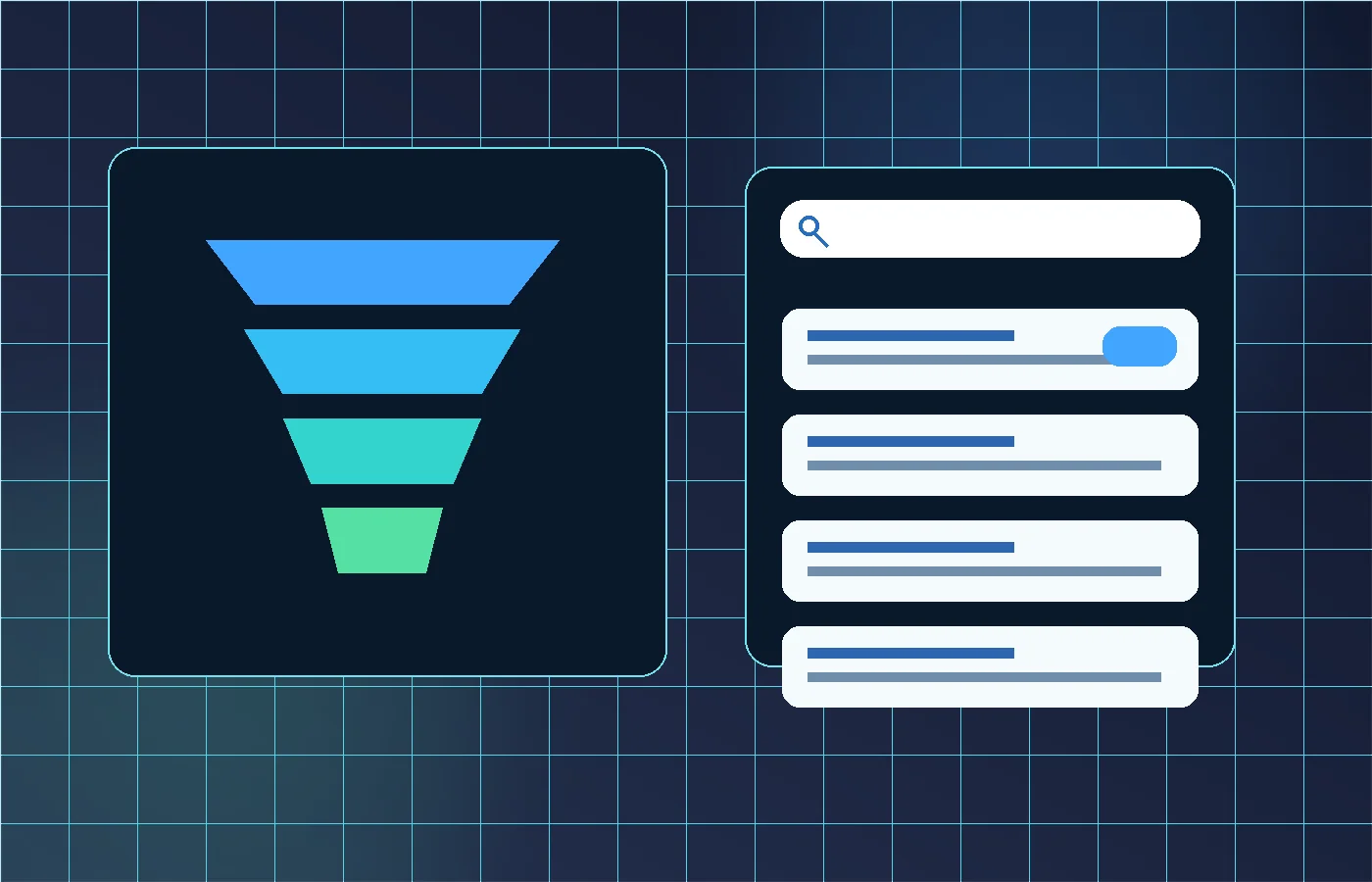
The objective is to create a paid-search system where query intent, budget, landing pages and conversion data can be improved methodically. We investigate waste and measurement quality before treating higher spend as the answer.
The objective is to create a paid-search system where query intent, budget, landing pages and conversion data can be improved methodically. We investigate waste and measurement quality before treating higher spend as the answer.
Campaigns, keywords, negatives and landing pages are organised so useful searches have clearer destinations and irrelevant demand is easier to identify.
Spend changes are reviewed against search demand, conversion quality, business capacity and available commercial data instead of clicks alone.
Conversion tracking and analytics context are checked so bidding, budget and campaign decisions are not built on misleading signals.
We connect ppc with the wider business goal, implement the highest-priority work and use the resulting data to decide what comes next.
We review campaign structure, search terms, budgets, bidding, conversion actions and landing pages before changing the account.
Search demand is grouped into useful themes, then keywords, negatives, ads and landing pages are aligned around that intent.
Bids, budgets, creative, product data and campaign settings are adjusted using observed performance and the reliability of the conversion signals.
Search terms, conversion quality, budget utilisation and landing-page performance are reviewed together before the next optimisation cycle.
A PPC agency plans, structures, manages and optimises paid advertising campaigns. For Google Ads this can include keyword research, search terms, negative keywords, adverts, bidding, budgets, landing pages and conversion measurement, with the scope shaped around the business and account rather than a fixed checklist.
PPC management can include account and campaign structure, keyword and search-term review, negative keywords, adverts, bidding, budgets, Shopping or Performance Max where relevant, landing-page alignment and conversion tracking. The useful mix depends on the account and the quality of the available data.
PPC service cost depends on account size, campaign complexity, required setup or rebuild work, reporting needs and the amount of ongoing management. Media spend paid to Google is separate from the management work, so the scope should be clear before comparing fees.
There is no useful universal Google Ads budget. A sensible starting point depends on search demand, expected CPCs, margins or lead value, conversion rate, geography and how much data is needed to judge performance. We prefer to model the assumptions rather than recommend an arbitrary spend level.
Yes. Search campaign management can include keyword and intent mapping, match types, negative keywords, responsive search ads, bidding, budgets, landing pages and conversion signals. Existing campaign history is reviewed before useful structures are replaced.
Yes, where they fit the business. For ecommerce accounts we can review Shopping and Performance Max alongside product and Merchant Center data, campaign structure, asset coverage, budget and conversion measurement. We do not assume Performance Max is automatically the right campaign type for every account.
Yes. We normally audit the existing account first so useful history, working campaigns and proven search terms are preserved. Changes are then prioritised around the clearest problems, such as wasted queries, weak structure, unreliable conversion signals or poor landing-page alignment.
We review Google Ads performance together with conversion tracking and analytics context. Useful measures can include search-term quality, CPC, conversion volume and value, cost per conversion, ROAS where revenue data is reliable, and lead quality or commercial outcomes where those signals are available. We avoid treating clicks alone as success.
Tell us briefly about the situation. We will review it and suggest a practical first step.
